
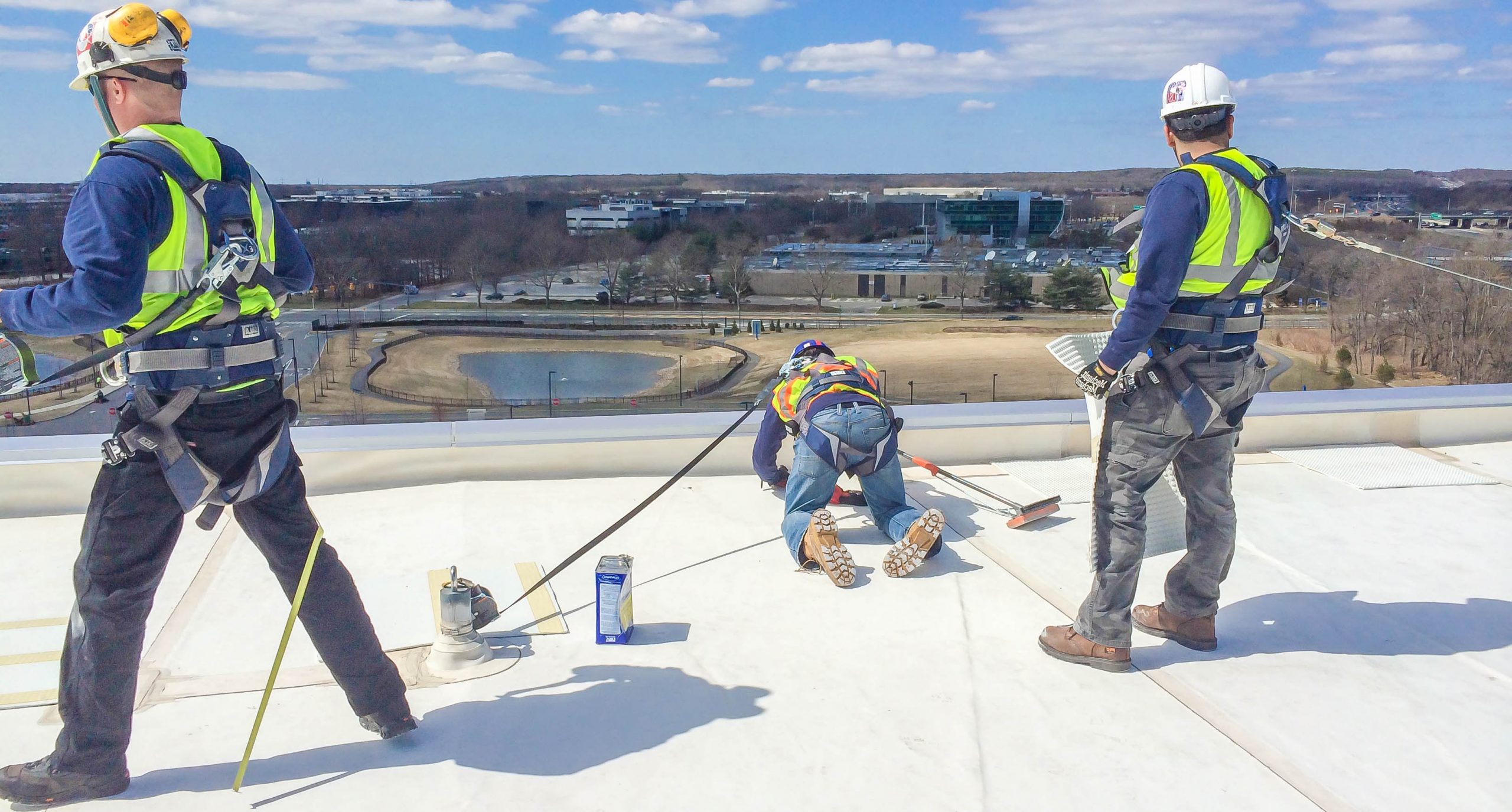
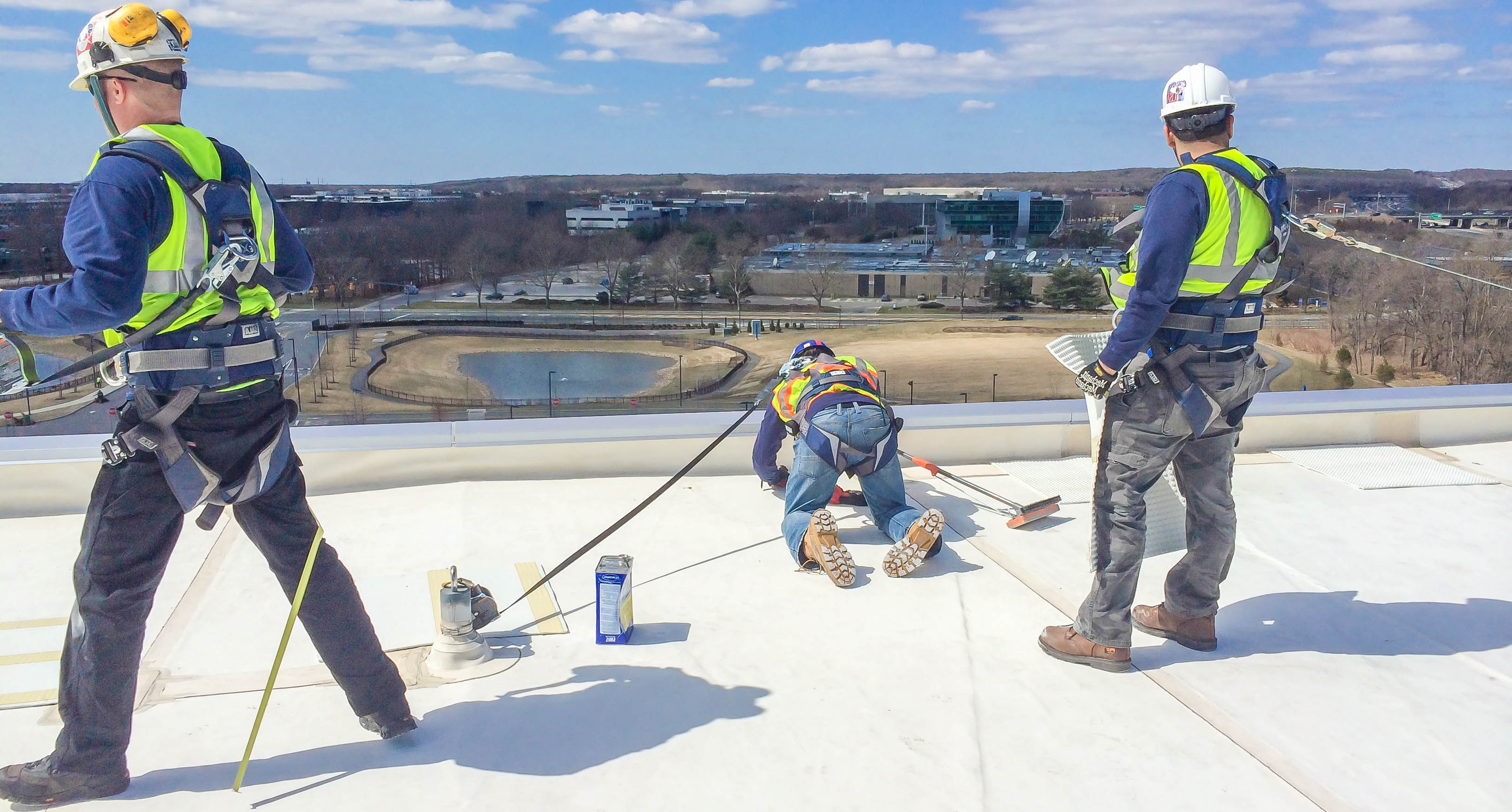
 In almost every industry, there are some places where workers are endangered to fall hazards. And a well-conceived fall protection program activates there with the complete identification of all fall hazards in the workplace. According to OSHA (Occupational Safety and Health Administration), when a worker is at a height greater than 4 feet, a fall hazard exists. And space where a fall hazard exists, there only two options are acceptable: eliminate the risk, or provide a complete set of protection against it. When choosing fall protection equipment, there are three main components that must be properly in place to give maximum safety to the worker. These are the ABC’s of fall protection.
Anchorage:
OSHA defines it as a secure point of attachment for lifelines, lanyards, or deceleration devices. This is a connector that is used to protect a connecting device. According to the ANZI Z359 standards, it is defined as a fixed structural component, including a girder, column, beam, or floor, that is able to support the forces used in arresting a fall. And they introduce the term anchorage connector as a component by which the connecting device is attached to the anchorage. This connector could be an anchor, cross-arm strap, D-bolt, hook anchor, davit, tripod, or other security devices used to protect lives and devices.
Plus, this point of attachment must be independent and must supports 5000lbs per employee. Also, these are installed and used under the supervision of an expert or a qualified person, who is responsible for maintaining a safety factor of at least two.
Body support:
The second main component of the fall arrest system is body support. This support is given by wearing the body support equipment such as harnesses or a belt.
Body Belt: It is also used as a body support system that circles the waist and is utilized for worker positioning and protection from falling at a height. It is worn through using D-rings on the hips or middle of the back.
Body harness: For fall prevention needs, a body harness is utilized at workspaces to provide maximum protection and security to the workers. It distributes the fall arrest forces across the shoulders, thighs, and pelvis.
Correction:
This is used to make a link between anchorage and bodywear that can be an energy-absorbing lanyard, fall limiter, self-retracting lanyard, rope grab, or retrieval system. It can be used for personal fall arrest or for positioning and travel restriction.
These are the three main components used while choosing best fall protection equipment that gives a maximum of protection to the workers in a workspace.
